
I dug this out of files & folders in my cyber Back 40 for friend Jink Willis when we got to yappin' about her blog post on the similarities between home staging and writing. This little article uses photographic concepts and pointers to (hopefully) help us hone the writing craft. Enjoy!
@@@
CREATING VIGNETTES
Vignette: (n.) Any small, pleasing
picture or view; a small, graceful literary sketch. (v.) Finishing a
picture/photograph in the manner of a vignette.
Whether crafting a setting for a short story or novel, a scene in a play, or framework for poetry, writers who think in terms of vignettes create sharper, more concise, and more memorable work. (Think "snapshot" or "scene.")
Visualize your keyboard or pen as a photographer’s favorite camera. If you take the time to look carefully through the viewfinder before clicking, you’ll be happier with your finished product. Conversely, if you grab and snap in a rush, you’ll produce blurred, amateurish work. All art takes time and practice to perfect, but with persistence, we can hone our writing skills. To this end, following are a few “picturesque” tips on setting up good vignettes:
Whether crafting a setting for a short story or novel, a scene in a play, or framework for poetry, writers who think in terms of vignettes create sharper, more concise, and more memorable work. (Think "snapshot" or "scene.")
Visualize your keyboard or pen as a photographer’s favorite camera. If you take the time to look carefully through the viewfinder before clicking, you’ll be happier with your finished product. Conversely, if you grab and snap in a rush, you’ll produce blurred, amateurish work. All art takes time and practice to perfect, but with persistence, we can hone our writing skills. To this end, following are a few “picturesque” tips on setting up good vignettes:
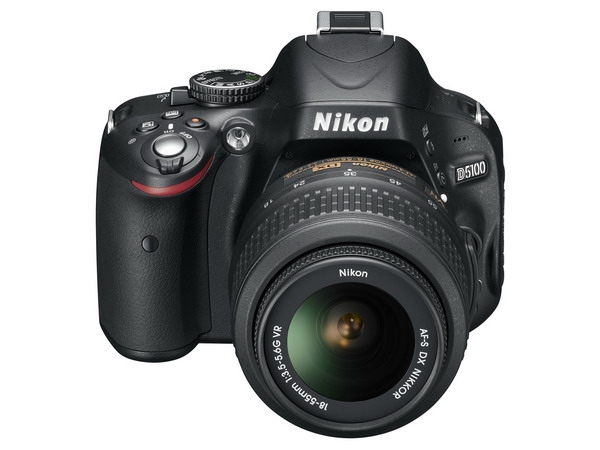
Invest in good equipment: If you think you can produce high quality work with a
throw-away camera, think again. The quickie writer submits the first thing off
the top of his head without taking the time to edit with a critical eye. The
professional (one who invests in classes, workshops, critique group membership,
and other learning opportunities) knows by taking his time to learn the rules
and techniques, his work will shine.
Get down (or up) on your subject’s level: Think and write from your characters’ perspective. See what they see, hear what they hear, etc. When this is done, the writing will come off as realistic vs. fabricated.
Move in close: The best photographs are those which get as close to the subject as possible. This is one reason macro shots have so much impact. Leave off extraneous descriptions, unneeded words. Crisp and sharp writing increases your publication odds.
Try different poses, angles, points of interest, and components of composition: Your vignette staging is important, so spend time thinking of the overall word picture you are composing. Would a change in Point of View work better? Have you given your characters enough depth through character sketching? What might be added or subtracted to create a clearer portrayal?
Frame your subject through the lens: Think of all aspects of your vignette and consider how it will be transmitted to your readers. Give your story plot or poetry balance on all sides. Is every single thing you are considering including in your vignette necessary? Beware of having trees sprout from subjects’ heads (fantastical plot lines). Savvy readers know when you’re overreaching. Make sure your thumb is out of the way also; remove all traces of yourself from your writing so the plot and characters can be heard and the author forgotten.
Research your subject: Always check your facts. A bit of research on products, eras, and other germane data adds unique, fresh details to your work. Editors and readers will appreciate the extra effort.
Now you’re locked, loaded, and ready to create better word photos. Your vignettes will be sharply focused, as will their tone, mood, and quality. Leaving readers with an unforgettable mental snapshot (of characters, plot, or evocative use of words in a poem) is a hallmark of good writing.
If you’re having trouble with a particular passage or stanza, why not post it here on the blog? I’ll gladly see what I can do with my editor's red grease pencil to help out.
Get down (or up) on your subject’s level: Think and write from your characters’ perspective. See what they see, hear what they hear, etc. When this is done, the writing will come off as realistic vs. fabricated.
Move in close: The best photographs are those which get as close to the subject as possible. This is one reason macro shots have so much impact. Leave off extraneous descriptions, unneeded words. Crisp and sharp writing increases your publication odds.
Try different poses, angles, points of interest, and components of composition: Your vignette staging is important, so spend time thinking of the overall word picture you are composing. Would a change in Point of View work better? Have you given your characters enough depth through character sketching? What might be added or subtracted to create a clearer portrayal?
Frame your subject through the lens: Think of all aspects of your vignette and consider how it will be transmitted to your readers. Give your story plot or poetry balance on all sides. Is every single thing you are considering including in your vignette necessary? Beware of having trees sprout from subjects’ heads (fantastical plot lines). Savvy readers know when you’re overreaching. Make sure your thumb is out of the way also; remove all traces of yourself from your writing so the plot and characters can be heard and the author forgotten.
Research your subject: Always check your facts. A bit of research on products, eras, and other germane data adds unique, fresh details to your work. Editors and readers will appreciate the extra effort.
Now you’re locked, loaded, and ready to create better word photos. Your vignettes will be sharply focused, as will their tone, mood, and quality. Leaving readers with an unforgettable mental snapshot (of characters, plot, or evocative use of words in a poem) is a hallmark of good writing.
If you’re having trouble with a particular passage or stanza, why not post it here on the blog? I’ll gladly see what I can do with my editor's red grease pencil to help out.


 Posts
Posts


